Bilingual Language Exposure

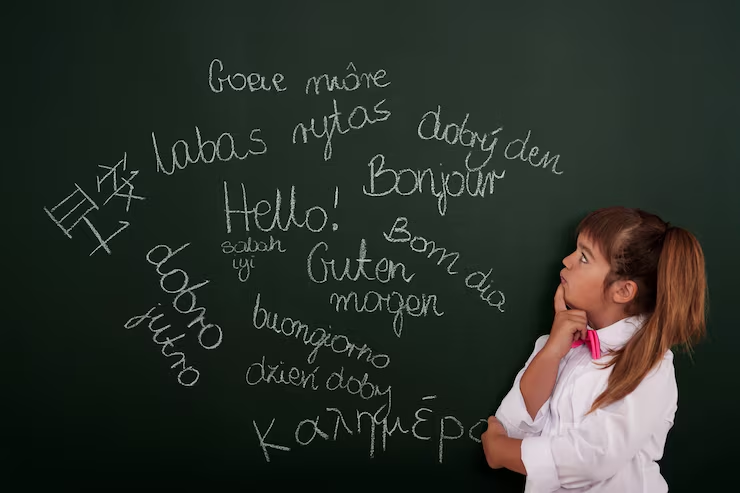
Bilingual language exposure is the experience of learning and using two or more languages in daily life. It can happen naturally at home, through community interactions, or in educational settings. Far from creating confusion, being exposed to more than one language strengthens the brain, helping learners build sharper memory, stronger focus, and better problem-solving skills.

Music & Movement

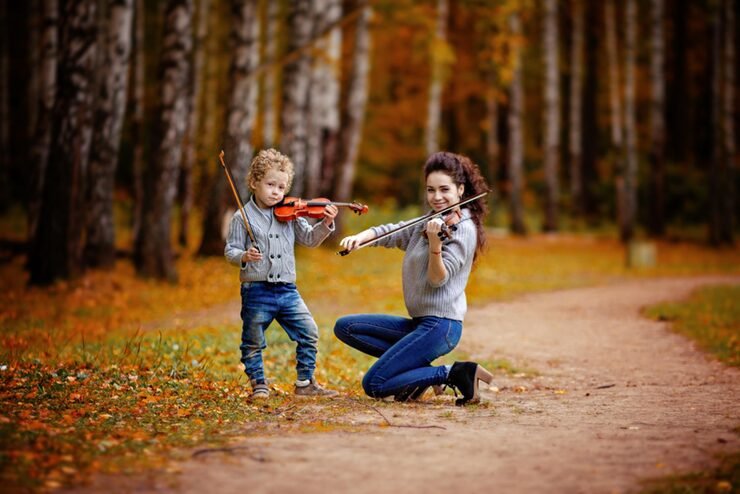
Music and movement are deeply connected forms of human expression that engage both the mind and body. Music stimulates rhythm, melody, and emotion, while movement allows us to physically express those feelings. Together, they form a universal language that transcends culture, age, and background.

For children, music and movement activities—like singing, clapping, dancing, or playing instruments—help develop coordination, motor skills, memory, and communication. They also nurture creativity, confidence, and social interaction. In adults, music and movement provide relaxation, stress relief, and opportunities for fitness, cultural celebration, and community bonding.

STEM Activities

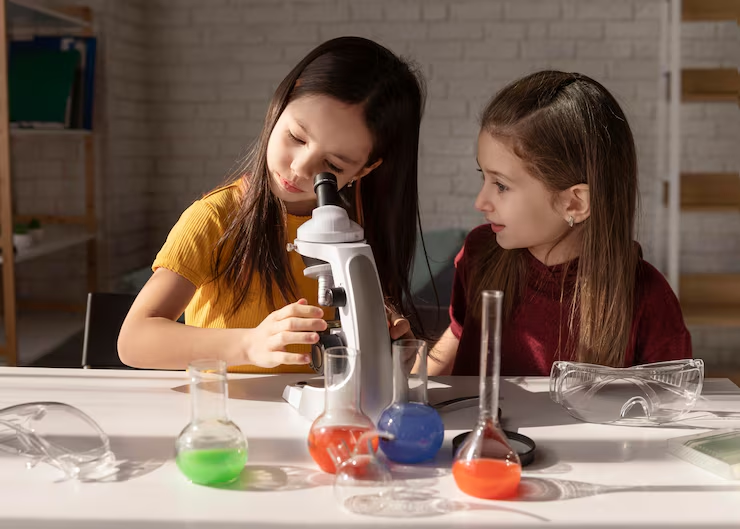
STEM Activities bring learning to life by combining Science, Technology, Engineering, and Mathematics in hands-on, practical ways. Instead of focusing only on theory, STEM encourages students to explore, experiment, and solve real-world problems through creativity and innovation.

From simple experiments like making volcanoes or testing buoyancy, to advanced projects like coding robots, designing bridges, or building circuits, STEM activities cater to learners of all ages. They help students develop critical skills such as logical thinking, problem-solving, teamwork, and adaptability—skills that are essential in today’s fast-changing world.

Arts & Creativity

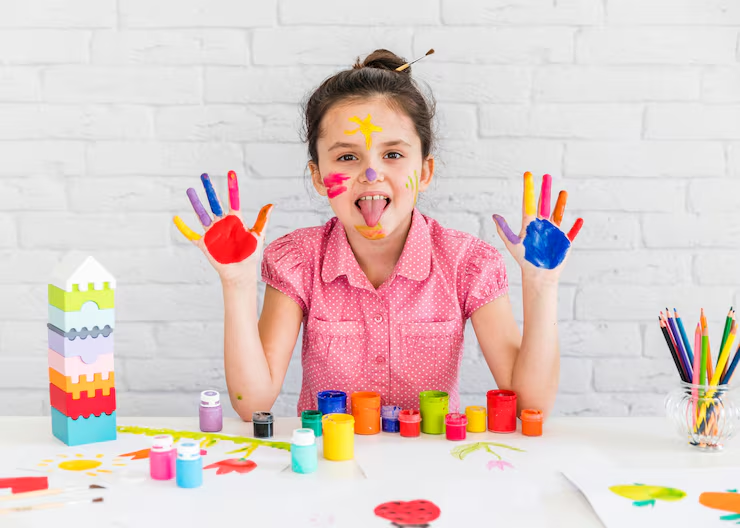
Arts and creativity are at the heart of human expression, allowing us to communicate ideas, emotions, and perspectives in ways that go beyond ordinary language. They cover a wide spectrum of forms, from traditional practices such as painting, sculpture, music, dance, and literature to modern expressions like digital media, film, design, and performance art. Creativity is not limited to the arts alone—it is the driving force behind innovation in every field, whether in science, technology, business, or everyday problem-solving.
Gardening & Outdoor Learning

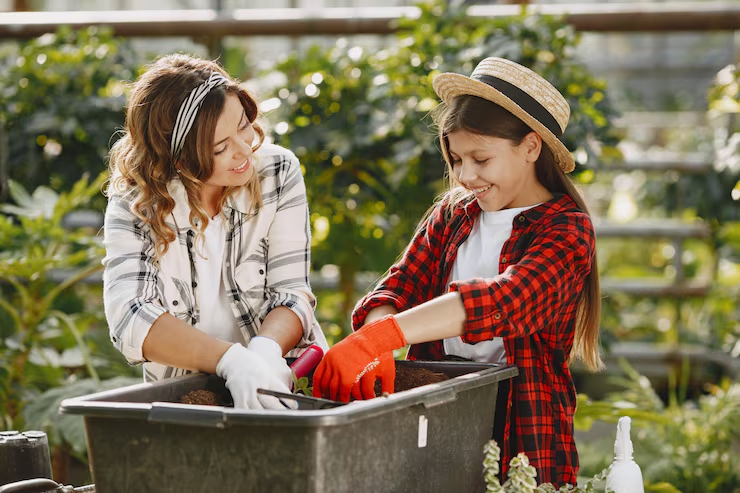
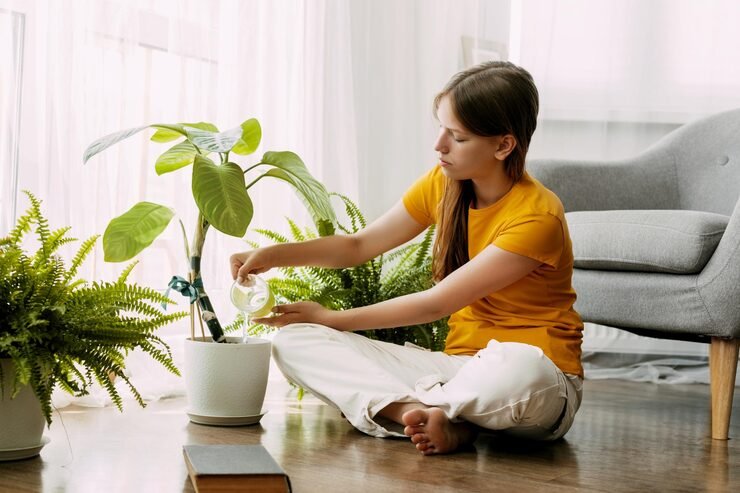
Gardening and outdoor learning provide powerful, hands-on opportunities for children and adults to connect with nature while developing important life skills. Through planting seeds, caring for plants, and exploring the natural environment, learners gain an appreciation for the world around them and a deeper understanding of how ecosystems work.

Healthy Meals & Snacks

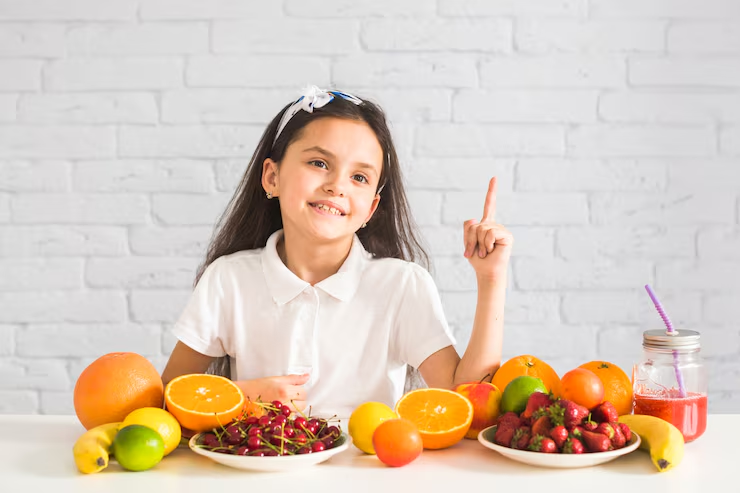
Healthy meals and snacks are essential for fueling the body and mind, providing the energy and nutrients needed for growth, learning, and overall well-being. A balanced diet includes a variety of foods—fruits, vegetables, whole grains, proteins, and healthy fats—that work together to support physical health, brain function, and emotional balance.

Emotional Development

Emotional development is the process of learning to recognize, understand, and manage feelings while building healthy relationships with others. It begins in early childhood and continues throughout life, shaping how we respond to challenges, express ourselves, and connect with people around us.

Home-Like Environment

A home-like environment is a warm, welcoming space that helps children and learners feel safe, comfortable, and valued. It bridges the gap between home and school or care settings, creating an atmosphere where individuals feel a sense of belonging and security. Such an environment is not only about the physical space but also about the relationships, routines, and emotional connections within it.

Values-Based Learning

Values-based learning is an approach to education that emphasizes the importance of character, ethics, and social responsibility alongside academic knowledge. It focuses on teaching children and learners the values that shape positive behavior and strong relationships, such as respect, kindness, honesty, empathy, and responsibility. By integrating values into everyday learning, education becomes not only about knowledge but also about becoming a good human being.

Cultural Diversity & Celebration

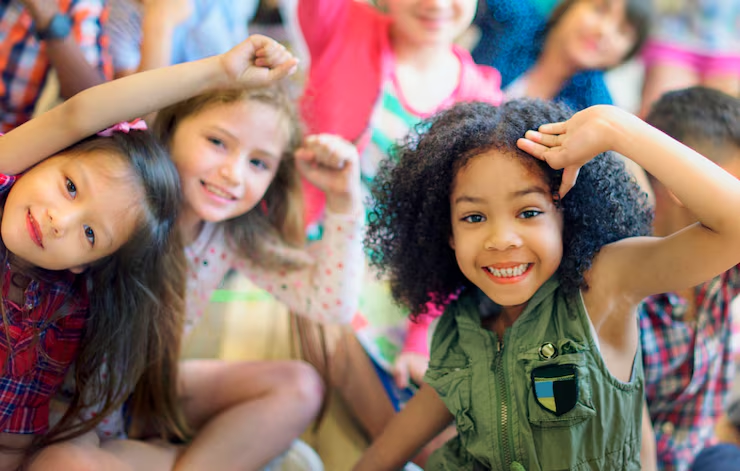
Cultural diversity and celebration are about recognizing, respecting, and valuing the differences that make each individual and community unique. It includes traditions, languages, beliefs, art, food, music, and customs that shape identities and enrich society. By learning about and celebrating diversity, we build understanding, empathy, and appreciation for one another.